
object storage
Object Storage for Data Platforms at Scale
Size an object store against bytes, object metadata, request demand and maintenance time. A practical worksheet for small files, retention, erasure coding and release-channel choices.
Size an object store against bytes, object metadata, request demand and maintenance time. A practical worksheet for small files, retention, erasure coding and release-channel choices.
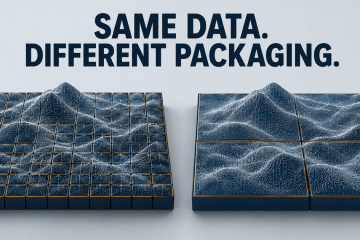
Compression, object population and request count measure different things. Compare point-cloud packaging, range reads, update costs and cleanup with an explicit synthetic sizing example.
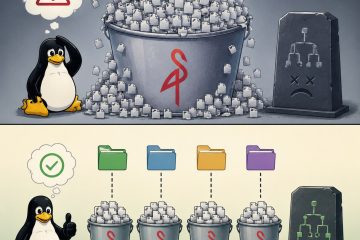
MinIO has no NameNode. It puts the namespace on XFS as real directories and xl.meta files. On Lots of Small Files that means you can exhaust inodes while df -h still looks fine, and a flat leaf can stall PUT, LIST, scanner, and ILM together. Here is the on-disk model, the inode math, and a prefix recipe that keeps XFS inside a regime you can operate.
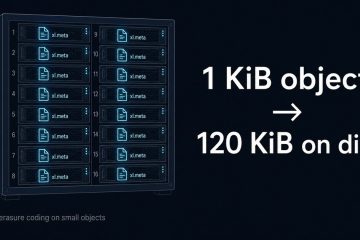
Two MinIO platforms, same root cause: used as a NoSQL store. Field notes on LIST IOPS, XFS directory limits, scanner & heal SLAs, the erasure-coding storage-efficiency inversion on small objects, and why Apache Cassandra (or Ceph) is the right answer on-prem in 2026.